IPL xenon lamp replacement for beauty machine energy loss starts with diagnosis: a weak flash may come from lamp aging, but filters, cooling, power components, or connections can also reduce output. This guide explains how to identify likely causes, select a compatible replacement, and test the device before returning it to service.
Why IPL Beauty Machines Lose Energy
An IPL machine may continue flashing even when the useful light output has declined. Operators may notice weaker flashes, inconsistent performance at the same setting, longer treatment sessions, or more frequent alarms. These symptoms can point to an aging IPL xenon lamp, but they do not prove the lamp is the only cause.
The optical output depends on several connected parts: the lamp, filter, reflector, handpiece window, power supply, trigger circuit, and cooling system. A dirty filter can block light; a worn capacitor may not deliver the expected pulse energy; insufficient cooling can cause overheating and faster lamp degradation.
That is why IPL xenon lamp replacement for beauty machine energy problems should begin with inspection rather than an automatic part swap. Replacing a lamp without identifying the cause may not restore output and can lead to repeat service, avoidable expense, and more downtime.
Common Causes of IPL Beauty Machine Energy Loss
Lamp aging is one possible cause. Repeated high-energy flashes gradually wear the electrodes and may darken the tube. Over time, the xenon flash lamp can produce less light or become less consistent. A machine may still trigger, but its output may no longer match its earlier performance.
Other causes can produce similar symptoms:
| Possible cause |
Common sign |
What to inspect |
| Aging IPL xenon lamp |
Weak or inconsistent flashes |
Lamp appearance and usage history |
| Dirty or degraded filter |
Reduced light transmission |
Filter surface and condition |
| Contaminated reflector or window |
Uneven or lower output |
Optical path cleanliness |
| Power supply or capacitor issue |
Slow charging or variable output |
Electrical system by a qualified technician |
| Cooling fault |
Excessive handpiece heat or shutdown |
Coolant flow, fan, filters, and seals |
| Cable or trigger problem |
Misfires or intermittent operation |
Connectors, wiring, and trigger circuit |
A visible darkening or damaged tube is a reason for professional inspection, but visual appearance alone cannot confirm the lamp’s remaining performance. Follow the device manufacturer’s maintenance procedure and use suitable test equipment where required.
When Is IPL Xenon Lamp Replacement for Beauty Machine Equipment Needed?
Consider a replacement when the lamp has reached the manufacturer’s service limit, the tube or electrodes show damage, or output measurements indicate that performance has fallen outside the device’s acceptable range. Repeated misfires or unstable flashes may also justify inspection, especially when other causes have been ruled out.
Check the service history before ordering. Flash count, operating energy, daily workload, previous lamp changes, and cooling-system maintenance can help a technician determine whether the IPL lamp is near the end of its service life. If the device reports an error code, record the code and the conditions under which it appears.
Do not compensate for declining output by increasing settings without following the equipment manufacturer’s instructions. Higher operating loads may increase heat and stress on the system. For IPL xenon lamp replacement for beauty machine maintenance, the correct decision should be based on device specifications and qualified diagnosis—not on a single symptom.
How to Choose a Compatible Replacement IPL Xenon Lamp
A replacement lamp must match the device, not merely look like the original. Differences in arc length, tube diameter, electrode configuration, terminal design, or electrical requirements can affect fit, triggering, output, and service life.
Before ordering a replacement IPL lamp, confirm the equipment model and original part number where available. Compare the lamp drawing or measurements with the existing part, and verify the pulse and trigger requirements with the device documentation. Also check whether the handpiece uses water cooling, air cooling, or another design.
Useful details to provide to a supplier include:
- The device model and original lamp part number.
- Lamp dimensions, arc length, connector type, and clear photos.
- Electrical ratings and cooling method from the equipment documentation.
- The application and observed symptoms, such as weak output or misfiring.
For OEM or replacement projects, a supplier may need to review specifications before recommending a xenon flash lamp. Avoid substituting a lamp solely because its dimensions appear close; electrical and optical compatibility matter too.
Safe Replacement and Post-Installation Checks
Lamp replacement involves fragile components and may expose technicians to stored high voltage. The work should be performed only by trained personnel following the device manufacturer’s service instructions. Powering down the machine does not necessarily remove the charge stored in capacitors. Allow the system to cool and ensure stored electrical energy is discharged using the approved procedure.
Handle the lamp carefully and avoid touching its quartz surface with bare hands. Keep dust and debris out of the optical cavity. During installation, confirm that the lamp is seated and aligned correctly, connectors are secure, and cooling seals are in good condition. Do not force a component into place or modify wiring to make a non-matching lamp fit.
After installation, test the device according to its service documentation before returning it to use. A qualified technician should check for stable triggering, error codes, leaks, abnormal heat, and output within the manufacturer’s specified range. If energy remains low after IPL xenon lamp replacement for beauty machine service, investigate the filter, reflector, power system, cooling, and trigger circuit rather than replacing another lamp without diagnosis.
How to Reduce Repeat Energy-Loss Problems
Preventive maintenance helps avoid emergency repair. Keep a record of lamp installation dates, flash counts if available, reported symptoms, and service work. Inspect the cooling system and optical path at the intervals recommended by the equipment manufacturer.
Use compatible parts from a supplier able to review device requirements and answer technical questions. Stable batch quality and accurate matching can reduce sourcing risk for clinics, repair teams, and equipment manufacturers. For an IPL xenon lamp replacement for beauty machine program, planning spare parts before a failure occurs can also help limit disruption—provided the lamps are stored and handled according to supplier guidance.
Lumi Photoelectric IPL Xenon Lamp Support
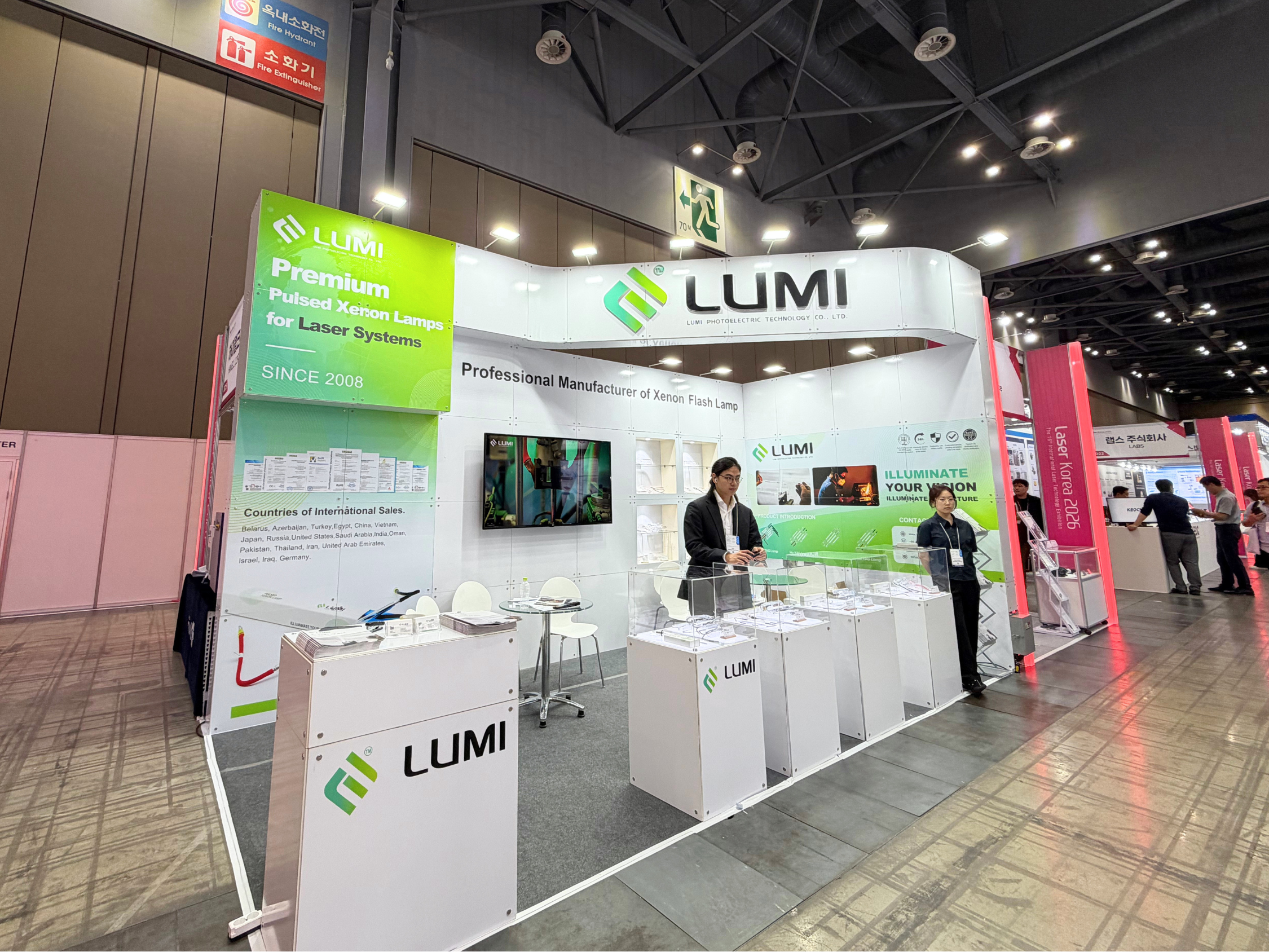
Lumi Photoelectric Technology Co., Ltd., based in Nanjing, China, supplies special light sources, including IPL lamps, xenon lamps, laser xenon lamps, and krypton flash lamps. The company serves equipment manufacturers, distributors, and repair markets, and can discuss lamp specifications and application requirements with customers.
When assessing IPL xenon lamp replacement for beauty machine needs, share the device model, lamp dimensions, available electrical specifications, cooling method, and observed issue. Lumi Photoelectric can use this information to discuss product matching and replacement options; final compatibility should be confirmed against the equipment manufacturer’s requirements.
Frequently Asked Questions
Does a weak flash always mean the IPL lamp needs replacement?
No. An aging lamp is one possible cause, but dirty optical components, cooling faults, power-supply problems, or trigger issues can produce similar symptoms. Diagnosis should come before replacement.
Can I choose a replacement lamp by appearance?
Appearance alone is not enough. Confirm dimensions, electrical requirements, connectors, cooling design, and device compatibility before installation.
Why is output still low after changing the lamp?
The issue may lie elsewhere in the optical or electrical system. A technician should check the filter, reflector, handpiece window, power supply, cooling circuit, and trigger system.
Conclusion
Effective IPL xenon lamp replacement for beauty machine energy loss requires identifying the cause, matching the lamp to the device, and verifying operation after service. Contact Lumi Photoelectric with your lamp details and device requirements to discuss a suitable replacement option. For safety and performance, have installation and output checks completed by a qualified technician.

 EN